

HELICOPTERS – THE INCREDIBLE HISTORY OF ROTARY FLIGHT
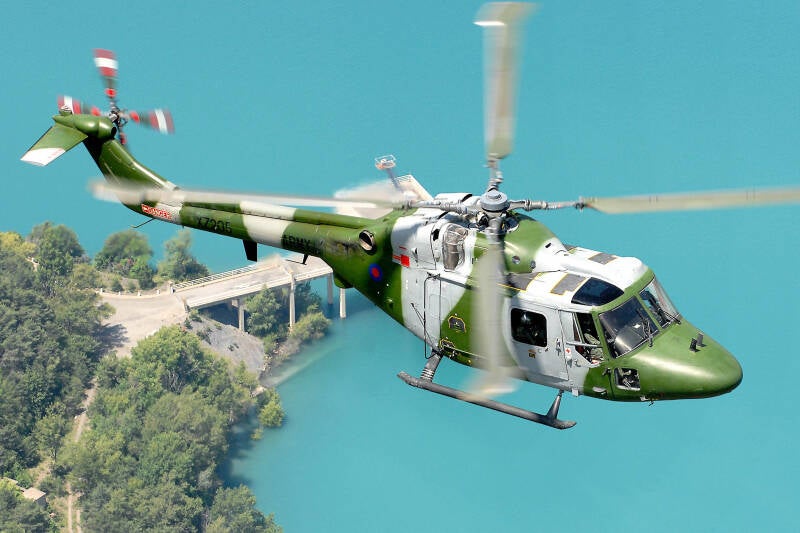
From Early Flying Machines to Modern Helicopters
The Story of the Helicopter
Few aircraft have changed the world quite like the helicopter. Unlike an aeroplane, which needs forward movement and wings to generate lift, a helicopter can take off vertically, hover in one position, fly backwards and sideways, and land in places where conventional aircraft simply cannot go.
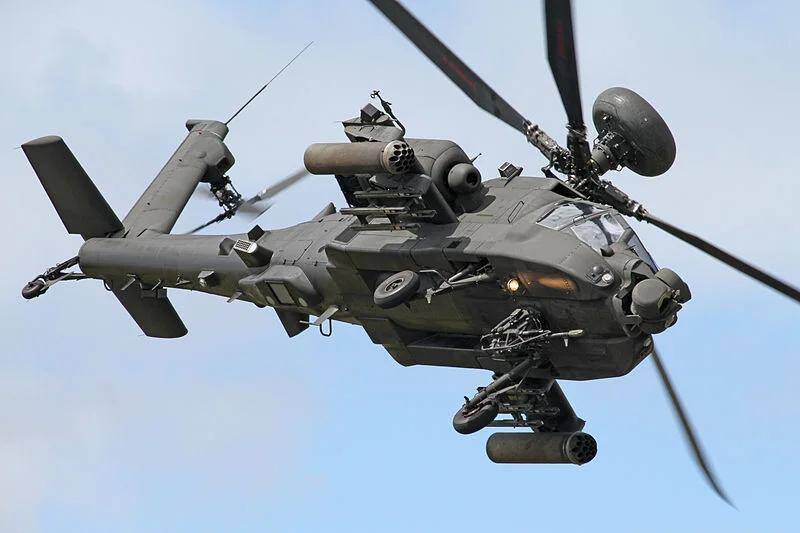
Today, helicopters are used all over the world for transport, rescue missions, emergency medical services, military operations, firefighting, construction, law enforcement and recreation.
But the journey towards creating a successful helicopter took hundreds of years of imagination, experimentation and engineering.
The Early History – The Dream of Vertical Flight
The idea of a flying machine that could rise straight into the air is much older than the helicopter itself.
One of the earliest known concepts appeared in the 15th century, when the famous Italian inventor and artist Leonardo da Vinci designed an aerial screw.
His design, created around 1483, featured a large spiral-shaped rotor intended to lift a machine into the air. Although it was never built as a working aircraft, it demonstrated an early understanding of the principles behind rotary flight.
In 1784, French inventors Christian de Launoy and François Bienvenu demonstrated a small model flying machine powered by rotating wings.
During the 19th century, inventors continued experimenting with rotary-wing
Igor Sikorsky – The Man Who Helped Make Helicopters Practical
One of the most important names in helicopter history is Igor Sikorsky.
Born in Russia in 1889, Sikorsky later moved to the United States, where he continued developing his aviation designs.
In 1939, his VS-300 experimental helicopter made its first successful tethered flight. It subsequently developed into a controllable flying machine with a main rotor and a smaller tail rotor.
His work helped establish the basic helicopter layout still used by many aircraft today.
In 1942, the Sikorsky R-4 became the first helicopter to enter large-scale production. It was used by the United States military during the Second World War.
How Does a Helicopter Work?
A helicopter flies using rotating blades mounted above the aircraft. These blades are called rotor blades.
The main rotor creates lift, allowing the helicopter to rise into the air.
The pilot controls the helicopter using several important systems:
-
Collective control: Changes the pitch of all the main rotor blades together, increasing or decreasing lift.
-
Cyclic control: Changes the pitch of the blades during each rotation, allowing the helicopter to move forwards, backwards and sideways.
-
Tail rotor: On conventional single-main-rotor helicopters, it helps counteract the twisting force produced by the main rotor.
-
Pedals: Control the direction the helicopter's nose points.
Some helicopters use different systems, including twin rotors, coaxial rotors or NOTAR technology, which uses controlled airflow instead of a conventional tail rotor.
Different Types of Helicopters
There are many different helicopter designs, each built for a particular purpose.
1. Civilian Helicopters
Used for private transport, tourism, business travel and general aviation.
2. Military Helicopters
Designed for combat support, troop transport, reconnaissance and military logistics.
3. Search and Rescue Helicopters
Used to rescue people from mountains, oceans, remote locations and dangerous situations.
4. Medical Helicopters
Air ambulances transport seriously injured or ill patients to hospitals and specialist medical centres.
5. Heavy-Lift Helicopters
Powerful machines designed to carry heavy equipment, construction materials and large external loads.
6. Firefighting Helicopters
Used to carry water and firefighting equipment to tackle wildfires and other major fires.
7. Police Helicopters
Used for aerial surveillance, searching for missing people, monitoring traffic and supporting police operations.
Famous Helicopters Throughout History
Some helicopters have become famous because of their engineering, military service or remarkable capabilities.
Sikorsky R-4
<PRIVATE_PERSON>One of the first production helicopters, helping establish the helicopter as a practical aircraft.
Bell UH-1 Iroquois – Huey
One of the most recognisable military helicopters in history. It became especially famous during the Vietnam War.
Boeing AH-64 Apache
A powerful attack helicopter used by several armed forces around the world.
Sikorsky CH-53 Sea Stallion
A heavy-lift military helicopter designed to transport troops, vehicles and equipment.
Westland Sea King
A British-built helicopter widely used for anti-submarine warfare, search and rescue and transport duties.
Eurocopter AS365 Dauphin
A versatile helicopter used for rescue, law enforcement, transport and other civilian and government operations.
Airbus H145
A modern twin-engine helicopter used for emergency medical services, rescue missions and public safety.
Helicopters During Wartime
Helicopters became increasingly important during the Second World War, although their use was limited compared with conventional aeroplanes.
Their capabilities expanded significantly during the Korean War, when helicopters were used to evacuate wounded soldiers and transport personnel.
During the Vietnam War, helicopters became an essential part of military operations. The UH-1 Huey was particularly important for moving troops, supplies and casualties.
Since then, helicopters have played major roles in conflicts around the world, providing transport, medical evacuation, reconnaissance and combat support.
Helicopters in Everyday Life
Helicopters are not just military machines. They perform many important jobs in civilian life.
Around the world, helicopters help to:
-
Rescue climbers and stranded walkers.
-
Transport emergency medical teams.
-
Fight forest and countryside fires.
-
Support police operations.
-
Inspect power lines and infrastructure.
-
Transport passengers to remote locations.
-
Deliver equipment to difficult-to-reach places.
-
Support offshore oil and gas operations.
-
Carry out aerial photography and filming.
Their ability to hover and land in confined spaces makes them extremely useful.
Helicopter Collecting and Modelling
Helicopters are also a popular subject among aviation enthusiasts and model makers.
Collectors and hobbyists enjoy building and displaying miniature versions of famous helicopters, including military aircraft, rescue helicopters, police helicopters and civilian machines.
Helicopter modelling can involve plastic construction kits, die-cast collections, radio-controlled models and detailed scale replicas.
Radio-controlled helicopters provide another exciting part of the hobby, allowing enthusiasts to experience the challenge of controlling a rotary-wing aircraft themselves.
The Future of Helicopters
Helicopter technology continues to develop.
Manufacturers are working on quieter aircraft, improved safety systems, more efficient engines and advanced electronic flight controls.
New electric vertical take-off and landing aircraft, often called eVTOLs, are also being developed. Although these are not necessarily conventional helicopters, they share the ability to take off and land vertically.
The future of rotary flight could include quieter urban transport, improved emergency services and more environmentally efficient aircraft.
Did You Know?
-
Helicopters can fly backwards and sideways.
-
They can hover without moving forwards.
-
Some helicopters have two main rotors instead of one.
-
The main rotor blades can be longer than the fuselage.
-
Helicopters can land on ships and very small landing areas.
-
A helicopter can often reach places that would be impossible for a conventional aeroplane.
Welcome to the World of Helicopters!
From Leonardo da Vinci's early flying-machine ideas to today's advanced rescue and military helicopters, the story of rotary flight is one of determination, invention and incredible engineering.
Whether you love historic helicopters, modern military aircraft, rescue machines, radio-controlled helicopters or model collecting, there is always something new to discover.
AeroWorld – Celebrating Aviation, One Aircraft at a Time.
Part of Hobby's Connection, brought to you by Pitstop Racetrack.
designs, but engines were not yet powerful or lightweight enough to make a practical helicopter possible.