PASSENGER AIRCRAFT
From the early days of flight to modern aviation
Passenger aircraft have transformed the way people travel around the world. What began with small, basic aircraft carrying just a handful of passengers has developed into a global aviation industry connecting countries, cities and continents.
The Early Years
Commercial passenger aviation began in 1914, when the first scheduled airline service carrying a paying passenger operated between St Petersburg and Tampa in Florida, USA.
In 1919, scheduled international passenger services began between London and Paris, marking an important milestone in aviation history.

The Golden Age of Aviation
During the 1920s and 1930s, passenger aircraft became larger, more reliable and increasingly comfortable. Aircraft such as the Douglas DC-3 helped make commercial air travel more practical and accessible.
Flying boats and long-distance airliners also helped airlines establish routes across oceans and between continents.
The Jet Age
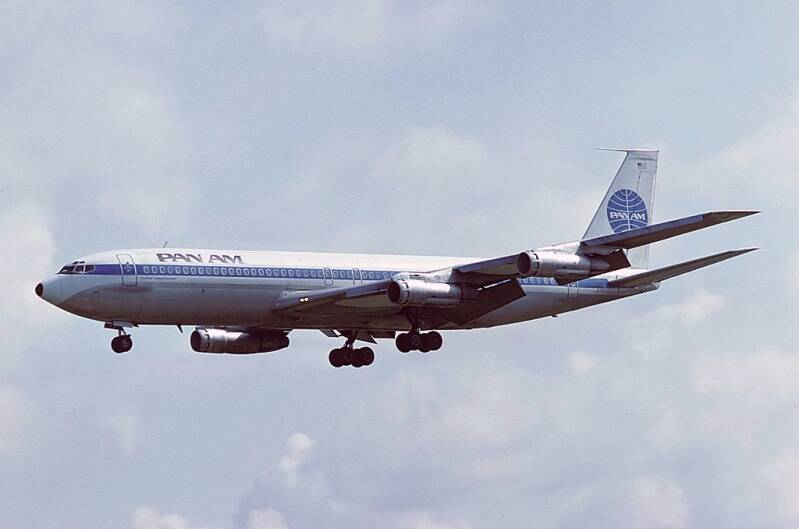
The introduction of the de Havilland Comet in 1952 marked the beginning of the commercial jet age.
The Boeing 707 followed, helping make long-distance international travel faster and more accessible. Later aircraft, including the Boeing 747, transformed passenger capacity and helped bring the world closer together.
Supersonic Passenger Flight
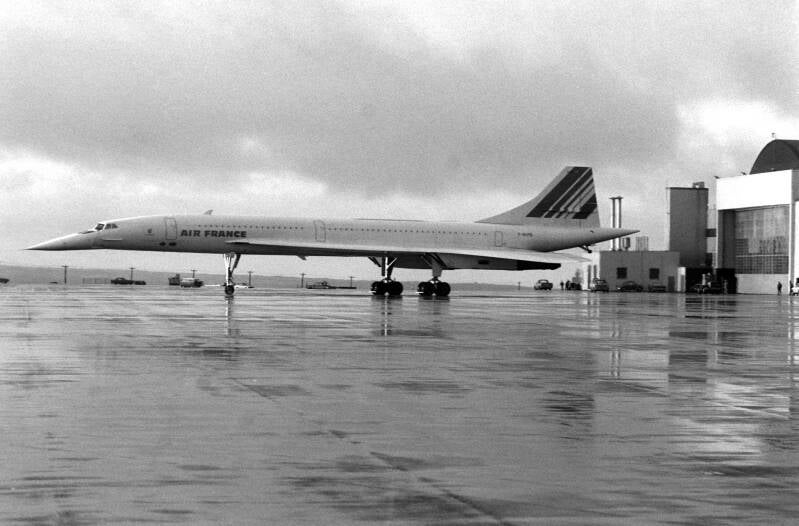
In 1976, Concorde entered commercial passenger service. Developed jointly by Britain and France, it could travel faster than the speed of sound.
Concorde became one of the most recognisable passenger aircraft ever built and remains an important part of aviation history.
Modern Passenger Aircraft
Today's passenger aircraft use advanced technology, modern navigation systems and increasingly efficient engines. Aircraft such as the Airbus A320 family, Boeing 737, Boeing 787 Dreamliner and Airbus A350 operate routes across the world, carrying millions of passengers every year.

The Future of Passenger Aviation
The aviation industry continues to develop, with manufacturers exploring more efficient engines, sustainable aviation fuels, new aircraft designs and alternative technologies.
The future of passenger flight will continue to focus on improving efficiency, reducing environmental impact and connecting even more destinations.
From the first scheduled passenger flights to today's modern airliners, commercial aviation has changed the world — and its journey is far from over.